
Mycelium Facade designed by Anomalia, exhibited at the 5th Seoul Biennale of Architecture and Urbanism 2025.

Mycelium Facade designed by Anomalia, exhibited at the 5th Seoul Biennale of Architecture and Urbanism 2025.

Mycelium Facade designed by Anomalia, exhibited at the 5th Seoul Biennale of Architecture and Urbanism 2025.

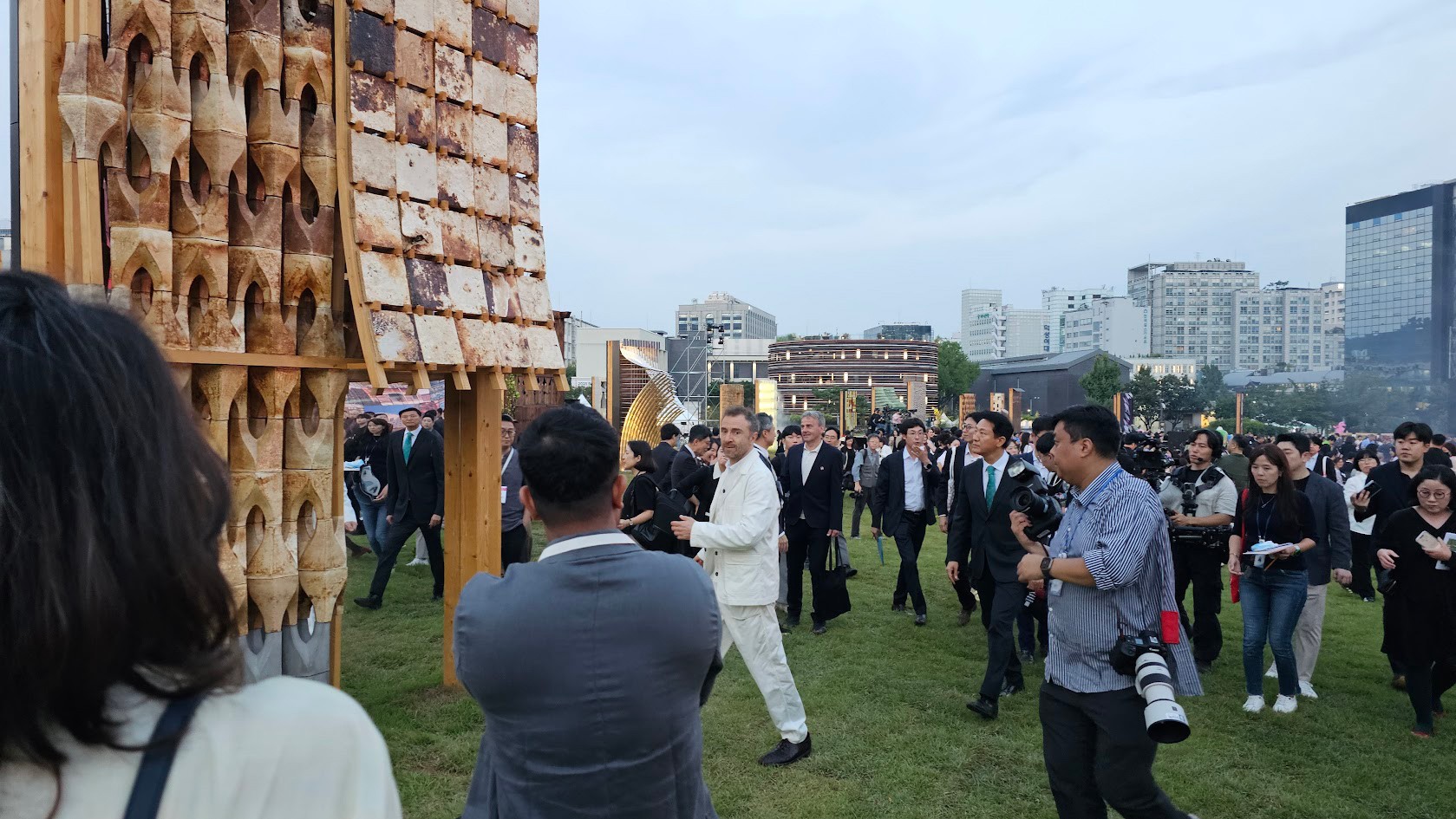
Heatherwick and Seoul Mayor Oh Se-Hoon at Anomalia’s mycelium-grown wall with the team. Photo Credits: Ronaldiaz Hartantyo, courtesy of Anomalia

Mycelium Facade designed by Anomalia, exhibited at the 5th Seoul Biennale of Architecture and Urbanism 2025.

Heatherwick and Seoul Mayor Oh Se-Hoon at Anomalia’s mycelium-grown wall with the team. Photo Credits: Ronaldiaz Hartantyo, courtesy of Anomalia

Mycelium Facade designed by Anomalia, exhibited at the 5th Seoul Biennale of Architecture and Urbanism 2025.

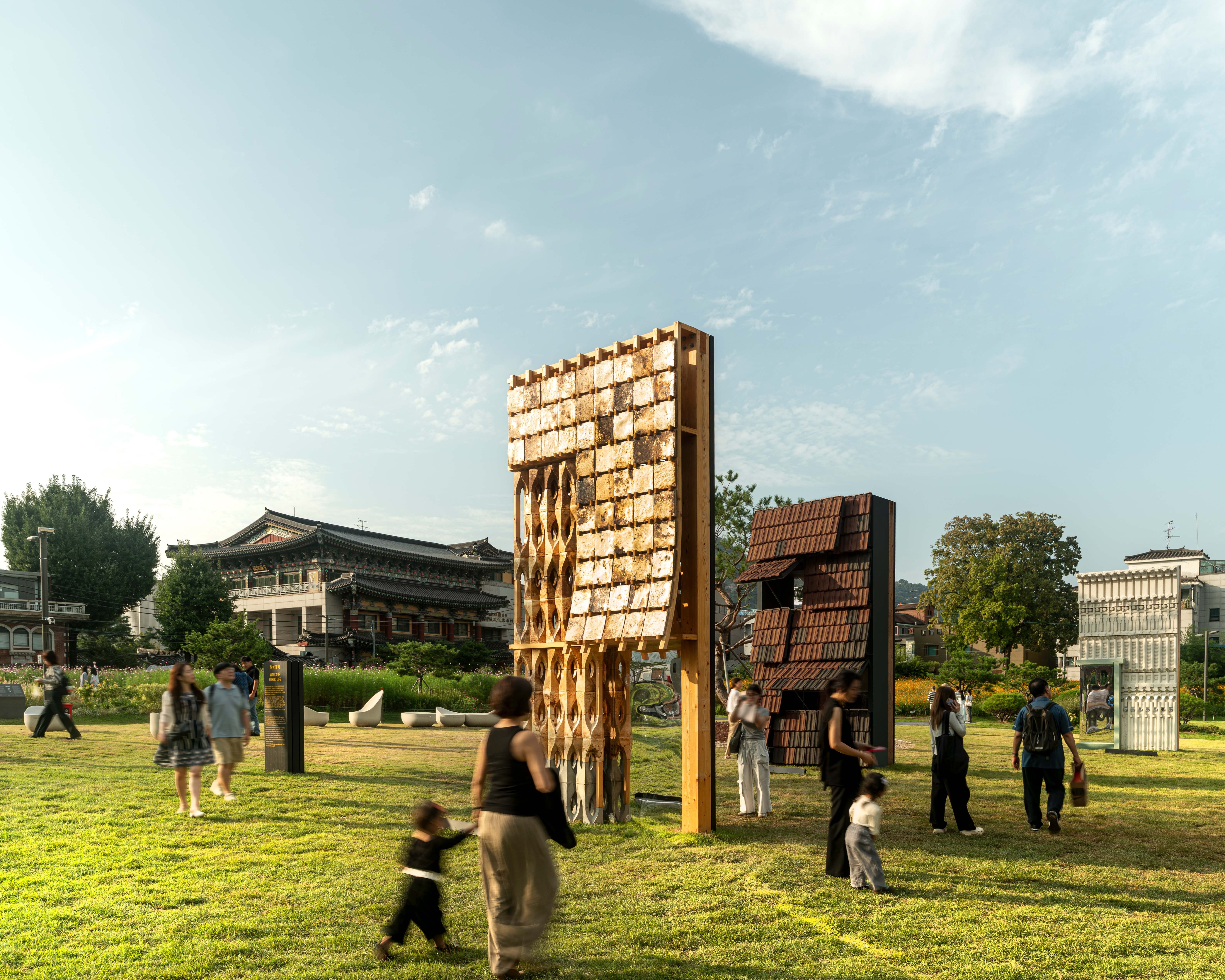
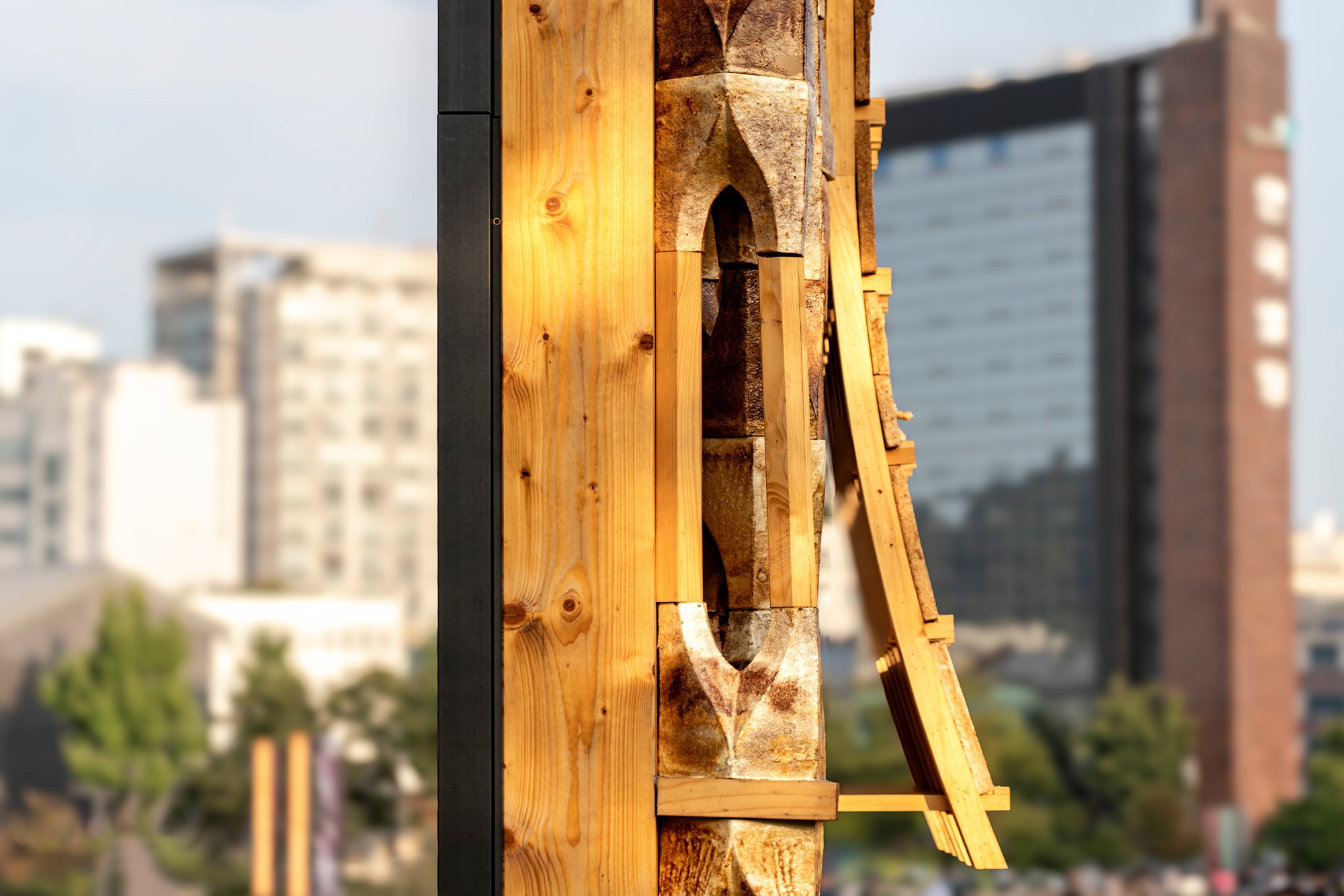
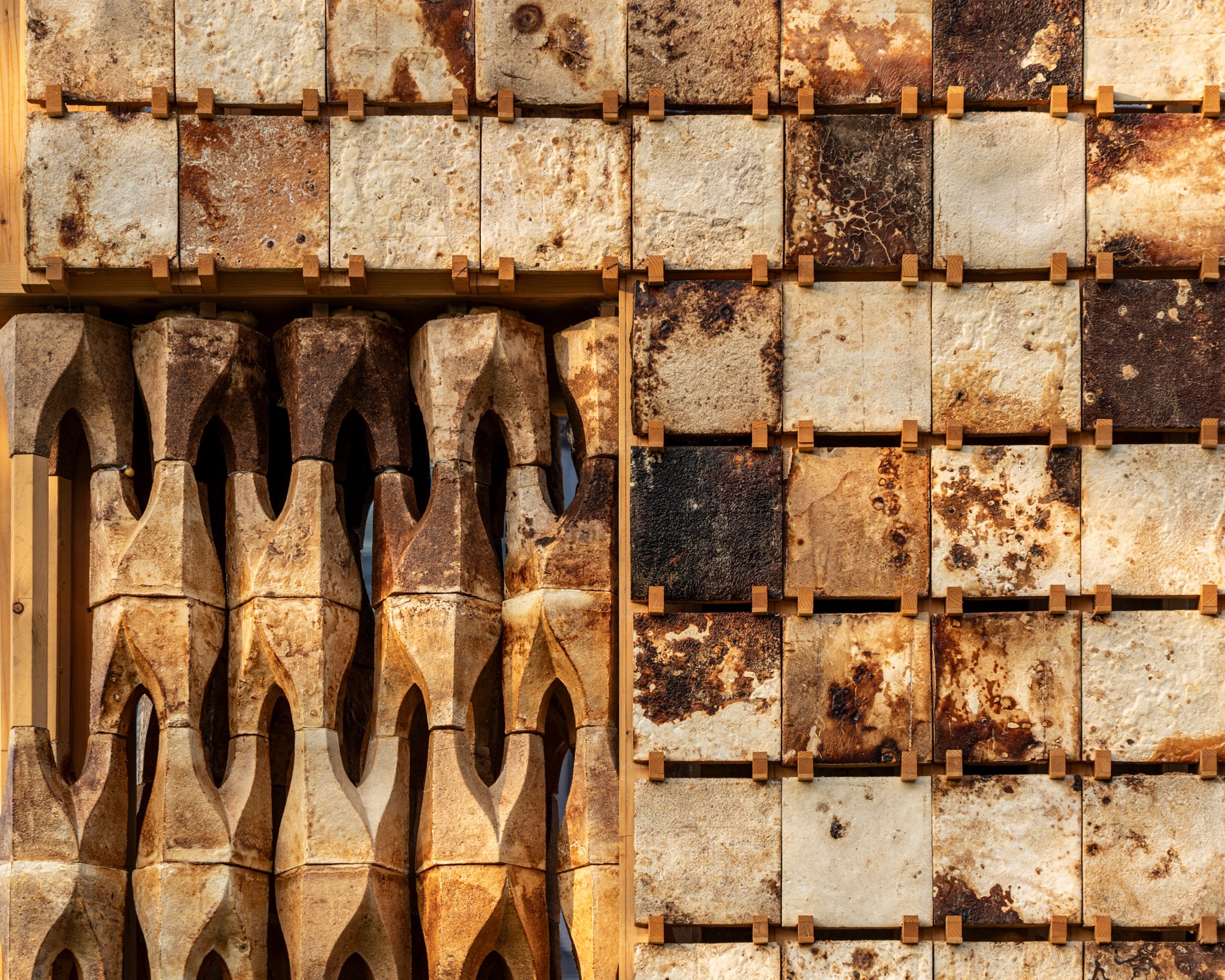
The wall combines MYCL’s square mycelium panels (BIBO) with MycoBlox designed by Anomalia, all housed on a wooden framework. Photo Credits: Depth Studio

Mycelium Facade designed by Anomalia, exhibited at the 5th Seoul Biennale of Architecture and Urbanism 2025.

The wall combines MYCL’s square mycelium panels (BIBO) with MycoBlox designed by Anomalia, all housed on a wooden framework. Photo Credits: Depth Studio

Mycelium Facade designed by Anomalia, exhibited at the 5th Seoul Biennale of Architecture and Urbanism 2025.

Mycelium Facade designed by Anomalia, exhibited at the 5th Seoul Biennale of Architecture and Urbanism 2025.

Mycelium Facade designed by Anomalia, exhibited at the 5th Seoul Biennale of Architecture and Urbanism 2025.

Mycelium Facade designed by Anomalia, exhibited at the 5th Seoul Biennale of Architecture and Urbanism 2025.

Mycelium Facade designed by Anomalia, exhibited at the 5th Seoul Biennale of Architecture and Urbanism 2025.

Mycelium Facade designed by Anomalia, exhibited at the 5th Seoul Biennale of Architecture and Urbanism 2025.

Mycelium Facade designed by Anomalia, exhibited at the 5th Seoul Biennale of Architecture and Urbanism 2025.

Mycelium Facade designed by Anomalia, exhibited at the 5th Seoul Biennale of Architecture and Urbanism 2025.

Mycelium Facade designed by Anomalia, exhibited at the 5th Seoul Biennale of Architecture and Urbanism 2025.

Mycelium Facade designed by Anomalia, exhibited at the 5th Seoul Biennale of Architecture and Urbanism 2025.

Walls of Public Life

2025

/

Architecture

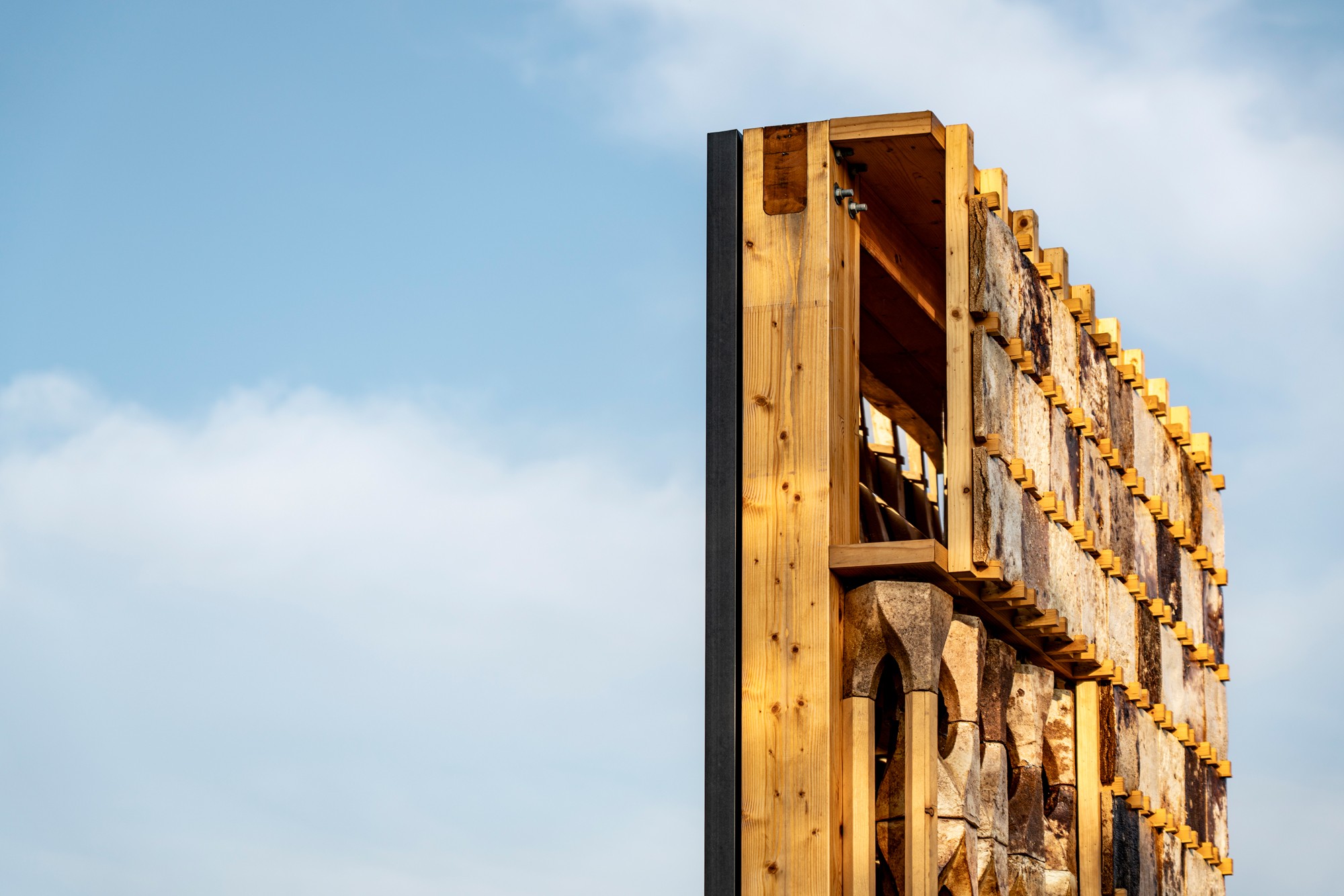
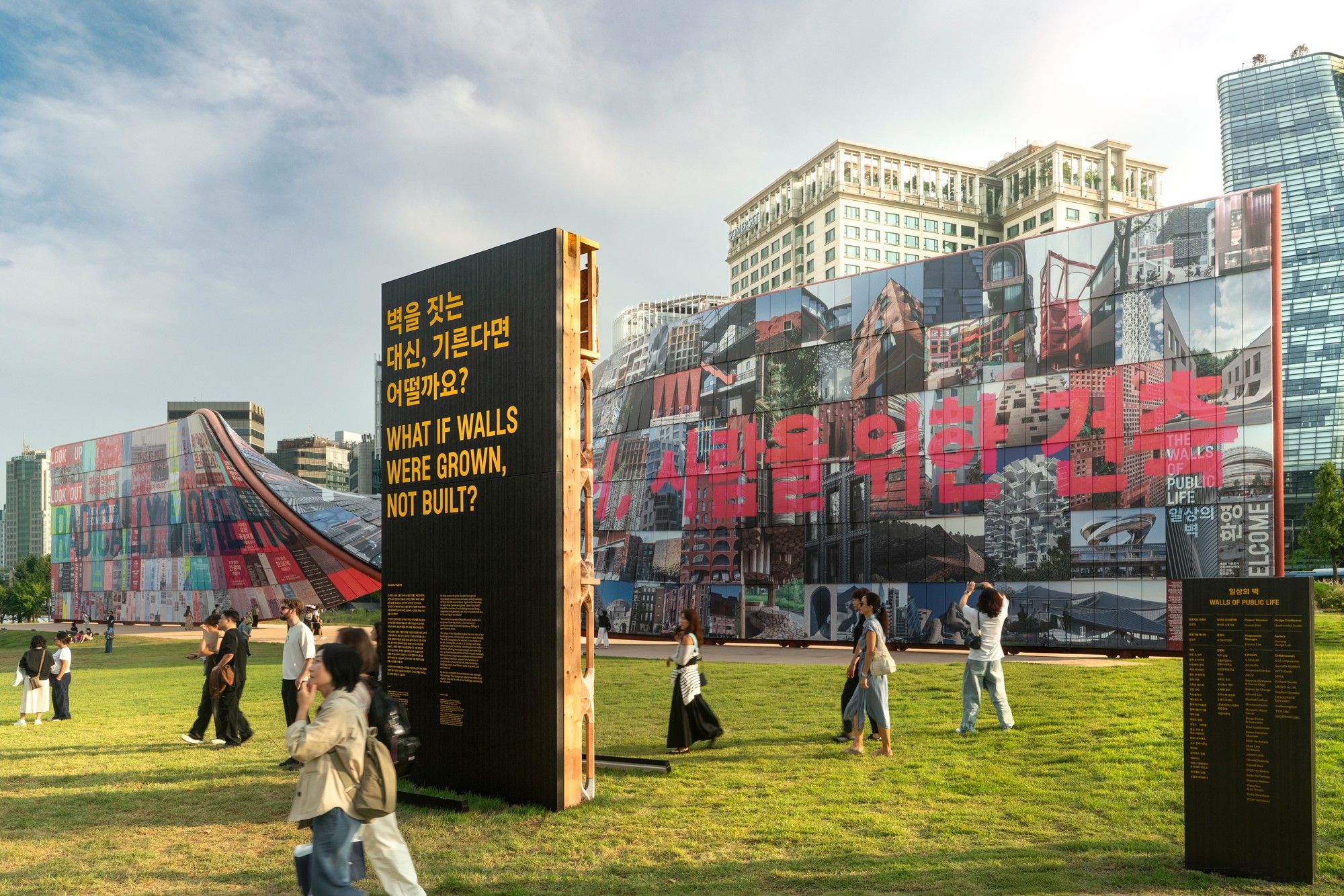
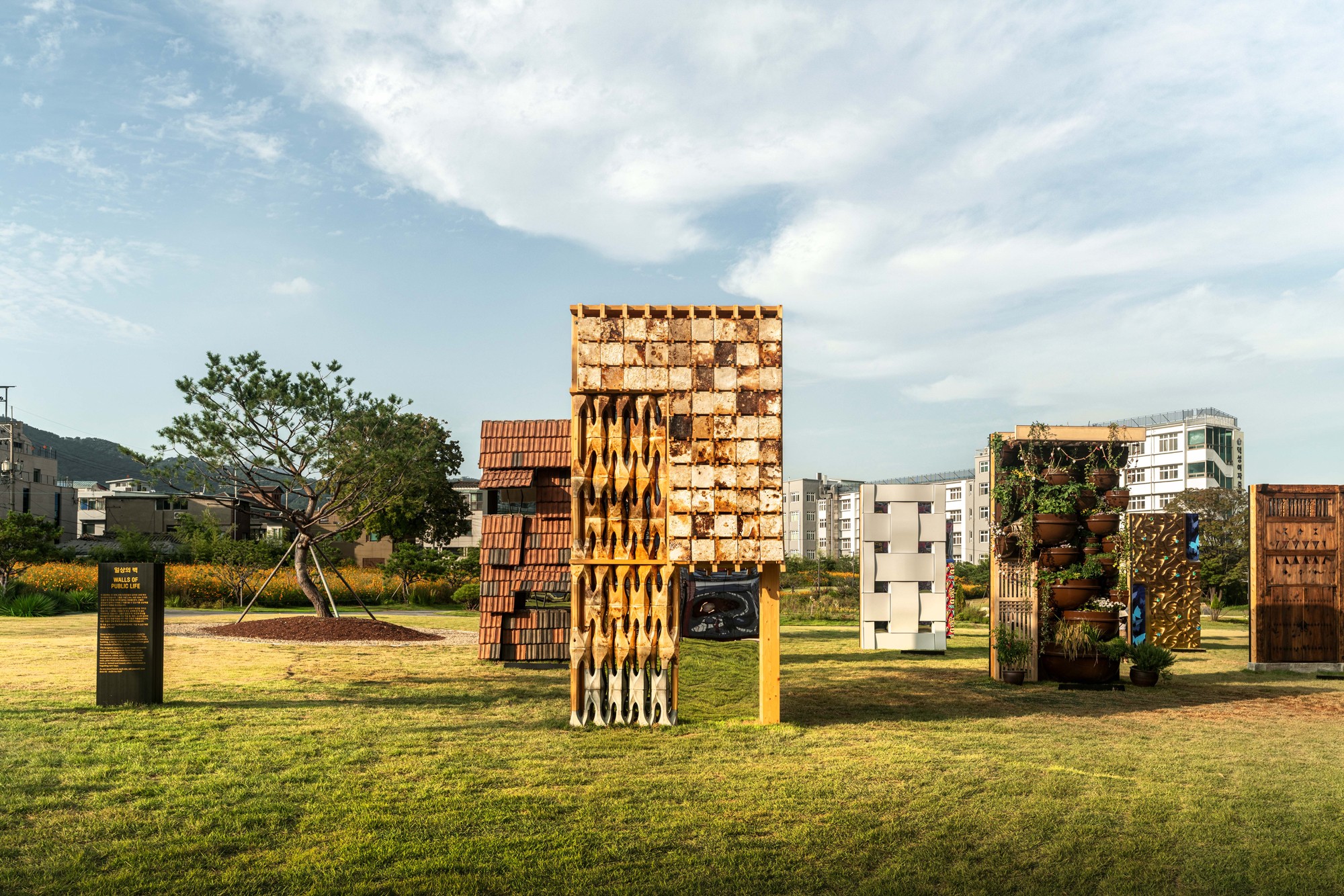
For the 5th Seoul Biennale of Architecture and Urbanism 2025, curated by Thomas Heatherwick, Anomalia was invited to create one of the 24 Walls of Public Life, the Biennale’s first outdoor exhibition at Songhyeon Green Plaza.

In cities across the globe, façades have grown increasingly monotonous and cold that seal buildings off from the life around them. Against this backdrop, we ask: What if walls were grown rather than built? Our Wall of Public Life is a living wall that imagines a future of building facades that are grown from mushroom mycelium. 

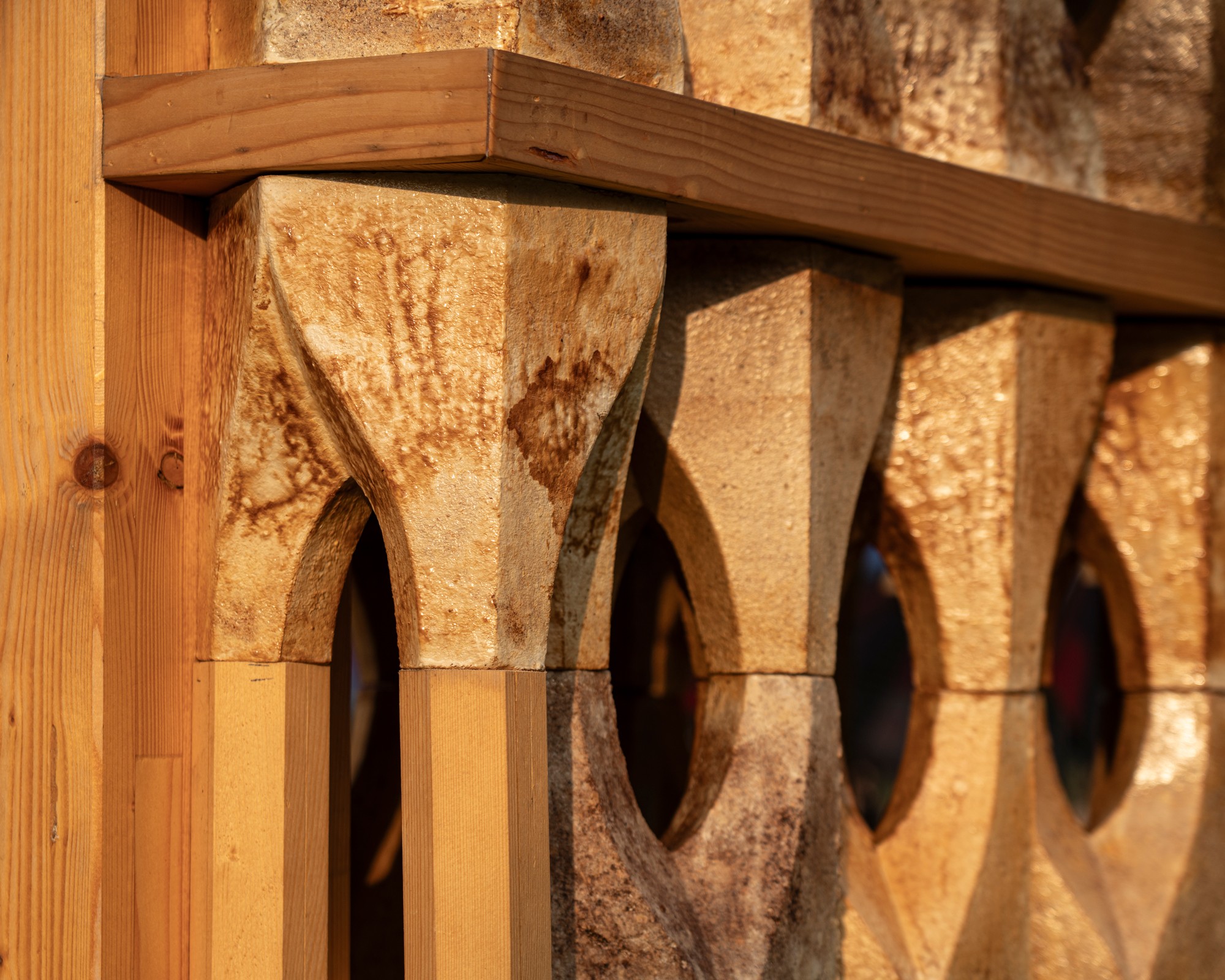
The installation is made entirely from MycoBlox and Biobo panels, lightweight mycelium bio-composites. Mycelium, the root structure of mushrooms, is combined with agricultural byproducts from local farms. Each block gives new life to 2.1 kilograms of crop waste, weighs just 1.5 kilograms, and has been tested to withstand up to 1.5 tons in compressive loads. It shows how regenerative materials can be strong, low impact, and full of potential.

The wall was designed in Mumbai (India), grown in Bandung with our partners at MYCL Indonesia, and assembled in Seoul (South Korea). To make the blocks, crop waste is mixed with mycelium cultures, which grow through the material and naturally bind it together. The mix is placed into moulds, dried, and stabilised, using very little energy. The result is a biodegradable, carbon negative building block.

'What if Walls were grown, not built?' is imagined as a piece of a future facade. It shows how grown materials can create porous, breathable, and sensorial surfaces. The wall allows air, light, and touch to pass through, encouraging people to interact with it. Instead of acting as a barrier, it becomes a gentle interface between people, ecology, and place.

Through this installation, Anomalia continues its work on regenerative systems, bio-intelligent design, and the possibilities of living materials, bringing an Indian perspective to the global conversation on the future of sustainable architecture.


Team:

Anomalia (Design and Research)
Bhakti V Loonawat
Suyash Sawant

MYCL (Research and Production)
Robbi Zidna Ilman
Ronaldiaz Hartantyo
Rizqi Paradila Akbarianti
M Yusuf Nurhadi

Supporters:
Seoul Metropolitan Government (SMG)
P4G

Photography:
Kang Keon, Depth Studio
Explore more